Independent Consulting in Coastal Ecology & Program Evaluation
"Bringing Researchers Closer to the Data Their Science Requires."
Contact Us
Specializing in Federally Funded Higher Education Initiatives
I am an independent program evaluation consultant with extensive experience supporting federally funded higher education initiatives, including Department of Education–aligned grants. I partner with universities and cross-institutional teams to design and implement rigorous formative and summative evaluation frameworks that strengthen program effectiveness and ensure federal compliance.
I have led large-scale evaluations across multi-institution partnerships, including Minority Serving Institutions, with responsibility for evaluation design, instrument development, data collection, analysis, and reporting. My work supports grant competitiveness, performance metric alignment, and actionable continuous improvement.
Coastal Ecosystems, Climate Resilience & Adaptive Management
I am an interdisciplinary ecologist specializing in coastal ecosystems, with a focus on how climate change and human modifications influence the structure, function, and resilience of saltmarsh and mangrove systems. My research integrates field-based studies, geospatial analysis, and historical data to assess ecosystem vulnerability to sea-level rise and inform adaptive management strategies.
My work spans academia, government, and applied management contexts. In my role as Program Manager for the MassMarsh program, I lead an interdisciplinary network of academic, NGO, and government partners to support coordinated monitoring and management of Massachusetts salt marshes. My earlier experience with the Chesapeake Bay Program and as a Visiting Assistant Professor reflects my commitment to science communication, education, and the integration of research into policy and practice.
Julie Walker has always embraced a challenge, even if it means facing down an alligator to check on her field experiments. During her doctoral studies, she once spotted what appeared to be an alligator's head floating near her work site in the marsh. After waiting for 30 minutes, she used a stick to scare it off, before carefully approaching — only to find it was just a pool thermometer shaped like an alligator's head. That spirit of determination and resilience has been a hallmark of Walker's work throughout her career.
As a graduate student at UF, Walker studied how climate change-driven mangrove migration into salt marshes impacts local plant and animal habitats. Her versatility became evident as she conducted grueling field experiments in mangroves, large-scale mesocosm experiments, collected and analyzed hundreds of hours of video feeds for fish behavior, and took deep dives into policy.
Today, as a postdoctoral fellow with the University of Massachusetts Amherst and United States Geological Survey (USGS), Walker is focused on identifying gaps in salt marsh data, particularly regarding the impact of ditches in the northeastern United States. Walker and her team are working to map ditch locations from Maine to Virginia, aiming to prioritize remediation efforts to protect these crucial ecosystems.
"This is the kind of science I'm interested in," said Walker. "It's data-driven and informs a specific management suggestion. To solve these bigger world issues, we need a diverse team."
Julie Walker, an interdisciplinary ecologist specializing in coastal systems, calls mangroves a "climate barometer" — a living indicator of how our planet's climate is changing. As mangroves expand northward into Florida due to warming temperatures and fewer harsh freezes, they're reshaping coastal ecosystems and creating new opportunities for understanding climate adaptation.
Walker's research demonstrates how mangroves serve as powerful nature-based solutions for climate change, storing carbon at rates 10 times greater than mature tropical forests. She emphasizes that understanding the historical movement of these ecosystems provides crucial insights into how human communities can adapt to environmental shifts.
From protecting saltmarsh habitats to informing coastal resilience strategies, Walker's work bridges ecology, policy, and community engagement. "To solve these bigger world issues, we need a diverse team," she explains, highlighting the importance of interdisciplinary approaches to complex environmental challenges.
Her research into mangrove migration patterns contributes to broader conversations about coastal protection, ecosystem management, and how Florida communities can learn to live with — rather than against — the iconic trees reshaping the state's shorelines.
Our combined expertise spans program evaluation, coastal ecology, geospatial analysis, and stakeholder engagement. We bring rigorous scientific methods and practical problem-solving to complex, multi-disciplinary challenges.
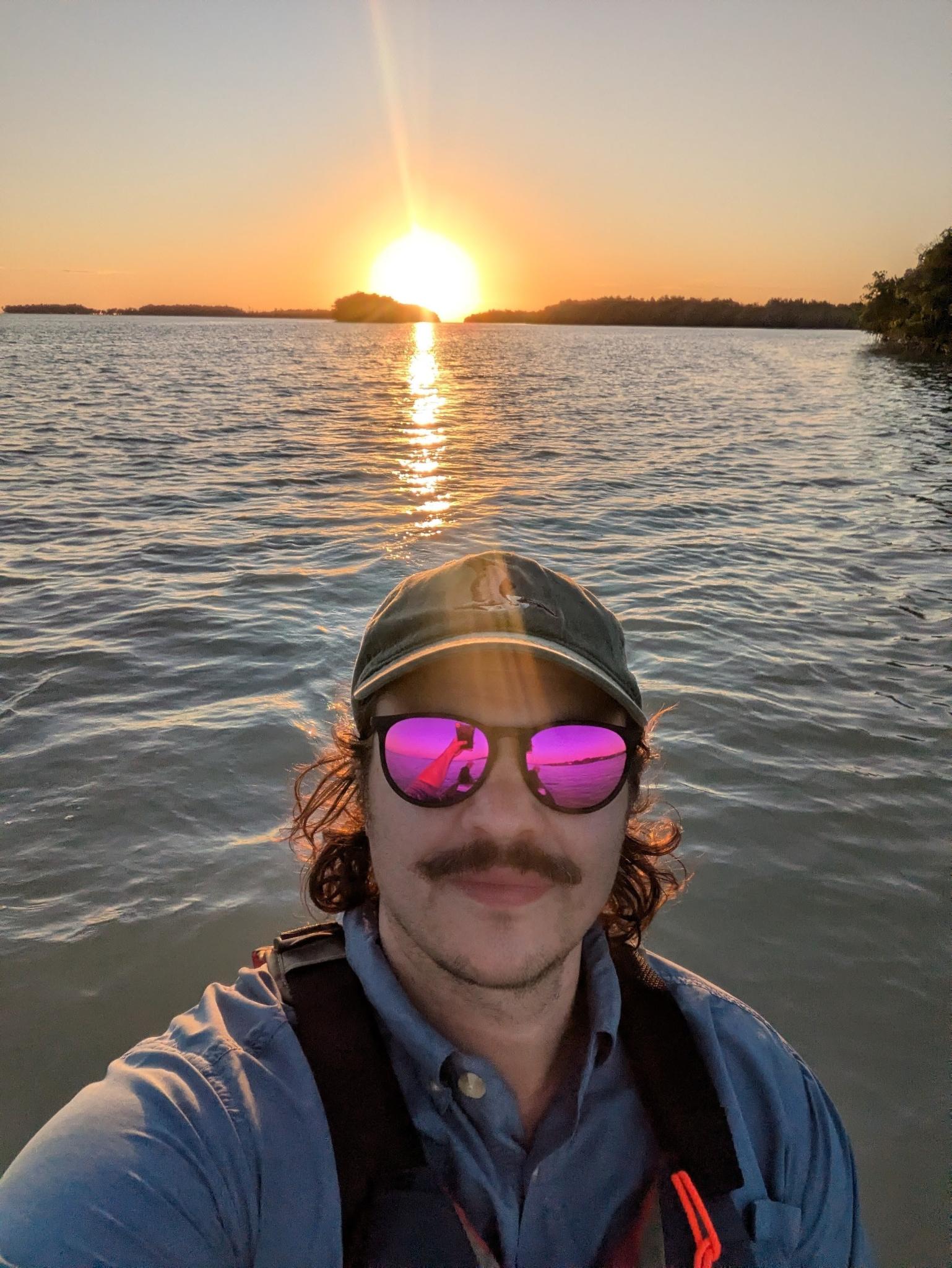
Corey Payne, PhD
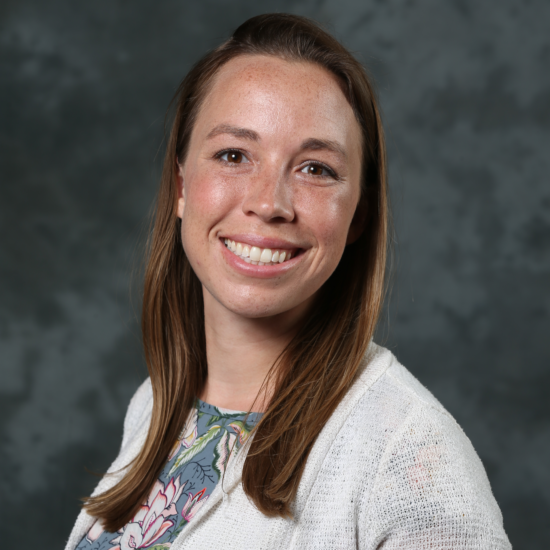
Julie Walker, PhD
We collaborate with project leadership from proposal development through implementation, serving as lead evaluators and research partners to design, execute, and report on activities that strengthen institutional capacity and demonstrate measurable program impact.
Our frameworks prioritize methodological rigor, alignment with federal performance measures, and practical utility for continuous program improvement. By combining expertise in program evaluation, coastal ecology, geospatial analysis, and stakeholder engagement, we offer an interdisciplinary perspective uniquely suited to complex, multi-partner initiatives.